How to Choose the Right Bathroom Remodeling Contractor
The right installer makes all the difference. What to ask, what to look for, and how to compare quotes with confidence.
 By LifeWell Compass Editorial Team · Published · Updated · 4 min read
This article contains partner links. We may earn a commission at no cost to you. Learn more
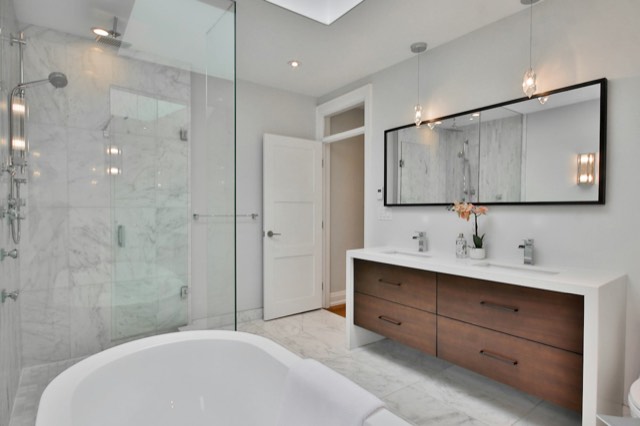
The pros, cons and practical trade-offs of each, so you pick the right upgrade for your bathroom.
Stepping over a high tub wall gets old fast, whether it's a bad knee, a parent moving in, or you just want an easier, more modern bathroom. Walk-in tubs and walk-in showers both fix that, in different ways.
A watertight door opens onto a low threshold and a built-in seat. Many include grab bars, jets and anti-slip floors.
A low or zero-threshold entry, often with a bench, handheld shower head and glass panel.
If easy access is the goal, a curbless walk-in shower is hard to beat. If a long soak is your idea of self-care, choose a walk-in tub with a quick-drain feature.
Costs swing widely with layout, plumbing and finishes, so online averages only tell you so much. Get a few local quotes and see both options priced for your bathroom.
Many people wait until after a fall to make changes. Upgrading while you're healthy lets you choose calmly, compare quotes, and enjoy a safer bathroom for years.
Ask each installer what the warranty covers, for how long, and whether it includes both the product and the installation.

The right installer makes all the difference. What to ask, what to look for, and how to compare quotes with confidence.

A realistic, room-by-room plan to clear the clutter without burning out.
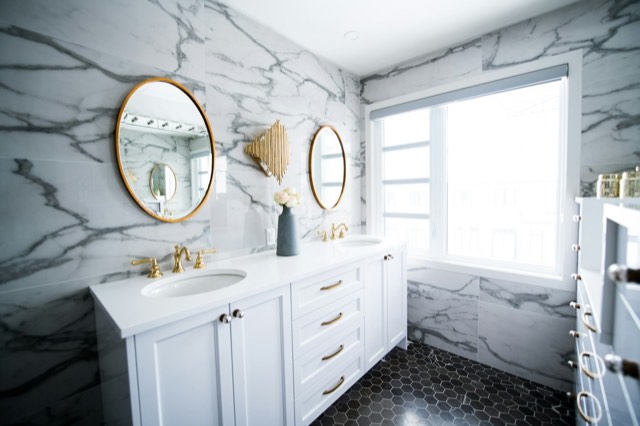
What drives the price, where people overspend, and how to get quotes you can trust.