Reverse Mortgages, Explained Without the Jargon
How a reverse mortgage works, who may qualify, and what happens to the home down the road.
 By LifeWell Compass Editorial Team · Published · Updated · 4 min read
Your credit score affects loan rates, apartments and even insurance. These habits move it in the right direction.
A better credit score can save you thousands in interest over your life. The good news: the factors that matter most are within your control.
Payment history is the biggest factor in most scoring models. Set up autopay for at least the minimum on every account.
Try to use less than 30% of your available credit, and under 10% is even better. Paying down card balances is often the fastest way to see a jump.
Card issuers usually report your statement balance. Paying earlier in the cycle makes your reported balance lower.
The age of your accounts matters. An old, unused card with no annual fee is often worth keeping.
Each hard inquiry can cause a small, temporary dip.
Get free reports at AnnualCreditReport.com and dispute anything that's wrong.
Credit rewards consistency. Most improvements show up within a few months of good habits.
You might not plan to borrow again, but your credit score can still affect insurance premiums, apartment or senior community applications, and the rate you'd get if you ever needed to refinance or replace a car.
Many retirees cancel cards they don't use. But closing your oldest accounts can shorten your credit history and raise your utilization. Instead, use an old card for one small purchase every few months and pay it off right away.
Check your credit reports a few times a year. A new account you don't recognize can be the first sign of identity theft.

How a reverse mortgage works, who may qualify, and what happens to the home down the road.

What index funds are, why so many experts recommend them, and how to buy your first one.
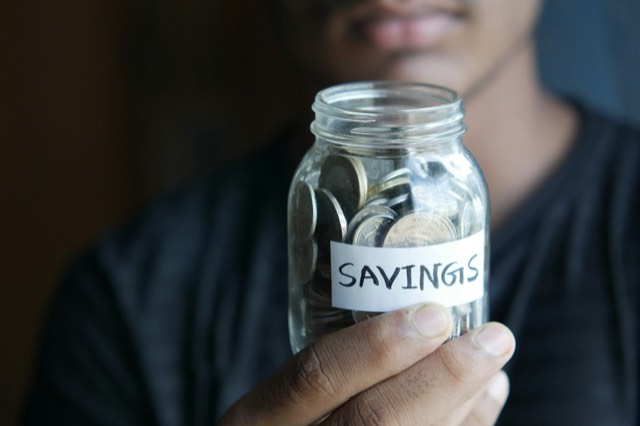
The classic rule is three to six months of expenses. Here's how to find your number, and how to get there.