Reverse Mortgages, Explained Without the Jargon
How a reverse mortgage works, who may qualify, and what happens to the home down the road.
 By LifeWell Compass Editorial Team · Published · Updated · 3 min read
They can pay many times more than a regular savings account, with the same protection. Here's the catch.
If your savings sit in a traditional bank account, they're probably earning close to nothing. High-yield savings accounts, mostly from online banks, pay much more on the same money.
Yes, as long as the bank is FDIC-insured (or the credit union is NCUA-insured). Your deposits are protected up to the standard limit, just like at a big bank.
Online banks don't run expensive branch networks, so they can pass some of those savings on as higher interest.
Anyone with an emergency fund or savings for a goal in the next few years, like a car, a trip or a down payment. For long-term growth over decades, investing usually makes more sense.
Bottom line: moving idle cash into a high-yield account is one of the easiest money wins there is.
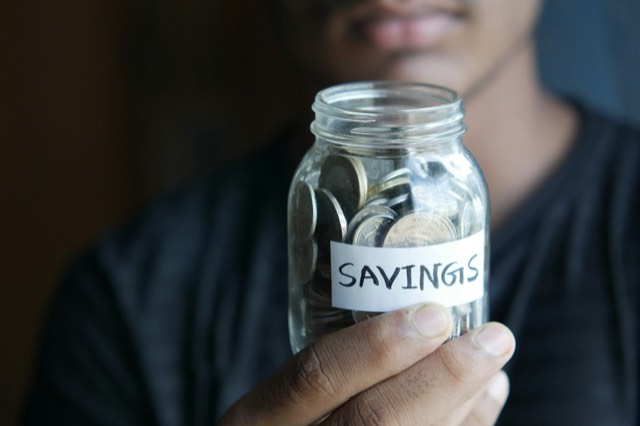
High-yield savings accounts are a popular home for a retiree's emergency fund and the next year or so of spending money. Your money stays safe and easy to reach, while earning more than a traditional account.
If online banking feels unfamiliar, ask a family member to help you set it up once. After that, it's usually very simple.

How a reverse mortgage works, who may qualify, and what happens to the home down the road.

What index funds are, why so many experts recommend them, and how to buy your first one.
The classic rule is three to six months of expenses. Here's how to find your number, and how to get there.